The latest report released by the Office for National Statistics (ONS) on 4 November 2026 reveals that drug-poisoning deaths remain at historically high levels, with 5,519 deaths registered in England and Wales in 2025.
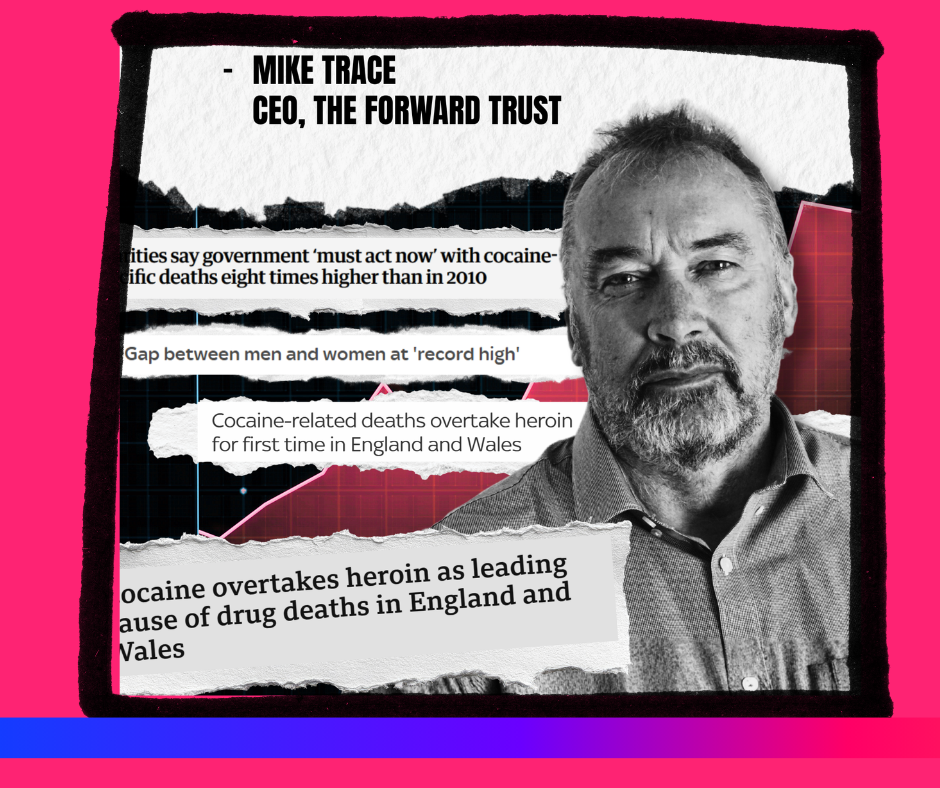
While this represents the first annual fall in the overall mortality rate since 2012, the figures remain alarmingly high. For the first time, cocaine was the substance most frequently mentioned in drug-poisoning deaths, overtaking heroin and morphine.
According to the data, cocaine was involved in 1,233 deaths registered in 2025, compared with 1,210 involving heroin or morphine. Despite a slight decrease compared with the previous year, cocaine-related deaths remain at historically high levels and are more than eight times higher than in 2010.
These figures are a stark reminder that addiction continues to affect individuals, families and communities across the UK.
Responding to the statistics, Mike Trace, Chief Executive of The Forward Trust and Taking Action on Addiction, warned that the scale of the issue demands greater public understanding and action.
Speaking to BBC News, Mike said:
"We know that increasingly potent drugs like nitazenes are making their way on to the market. We know that established drugs like cocaine are growing in purity which means they come with much higher risks to users."
In separate comments to Sky News, Mike added:
"That cocaine has risen to the top of the statistics for drug-related deaths should come as no surprise. We're facing the perfect storm of record levels of production in South America leading to falling prices combined with increasing purity which means increasing potency and risk."
Extract from Mike Trace's live interview on Times Radio
While headlines often focus on drug-related crime, gang activity or emerging drug trends, the human stories behind these statistics can be overlooked. Every number represents a life lost, as well as family members, friends and communities left behind.
Each year, around 17,000 people die from alcohol- or drug-related causes across the UK. That's why the Taking Action on Addiction campaign is working to spark 17,000 conversations about addiction: one conversation for every life lost.
This year's campaign focuses on normalising conversations about addiction in the same way society has begun to talk more openly about mental health. By encouraging honest, compassionate discussions in families, workplaces and communities, we can help more people feel able to seek support before a problem reaches crisis point.
The latest ONS figures are a powerful reminder that addiction remains one of the UK's most significant public health challenges. But they also reinforce an important truth: stigma can stop people asking for help, while conversation can be the first step towards recovery.
Every conversation helps break down stigma. Every question asked without judgement can make it easier for someone to seek support. Every story shared helps people realise they are not alone.
If you're worried about your own drug or alcohol use, concerned about someone close to you, or simply want to better understand addiction, support is available.
Our Digital Conversation Generator can help you start meaningful discussions about addiction, navigate difficult conversations and access trusted advice and resources.
Start your conversation today and help challenge the stigma around addiction.
Media coverage quoting Mike Trace was featured across in a number of global news outlets, including:
Mike Trace - career biography and contact details
Find out about our new campaign activities including how you can get involved in community events, social media and lending your voice to effect change.
Help change how Britain talks about addiction. Sign up to get involved, start conversations and support the campaign.